
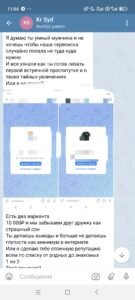
If someone threatens to publish your messages or photos, save the threats, links and timestamps. Take a moment before replying. Paying gives you no assurance that the threats will stop.

How blackmailers create pressure
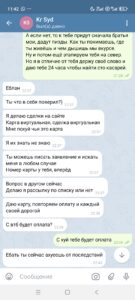
Short deadlines and threats to contact friends or family are meant to make you act quickly. Screenshots can be fabricated, and images or videos can be manipulated.
What to do first
- Save evidence. Keep copies of messages, profile links, usernames and payment demands. Record dates, times and amounts.
- Limit contact. Keep replies brief if you need to respond. Avoid sharing more personal information or agreeing to pay.
- Secure your accounts. Change passwords you suspect were exposed, turn on two-factor authentication and sign out unfamiliar sessions in email, social media and cloud storage.
- Report the threats. Use the platform’s reporting tools for extortion, impersonation or intimate images shared without consent. If you contact the police, bring the evidence you saved.
What an investigation can establish
A disposable account can still leave evidence. Message records and payment details may help a platform or investigator connect events. Identifying the sender depends on the evidence available.
Reduce the risk of further exposure
Limit who can see your contacts, stories and posts. Use unique passwords, save recovery codes and keep an independent way to recover your accounts.
Common questions
Will paying end it?
The person can keep the material and demand more money after payment.
Can everything be removed from the internet?
Prompt reports can limit circulation. Copies may still exist elsewhere.
What if they threaten to send it to everyone I know?
Save the threat, limit who can see your contacts and report the account. If you need help organizing the evidence or preparing reports, contact Hacker4U.

